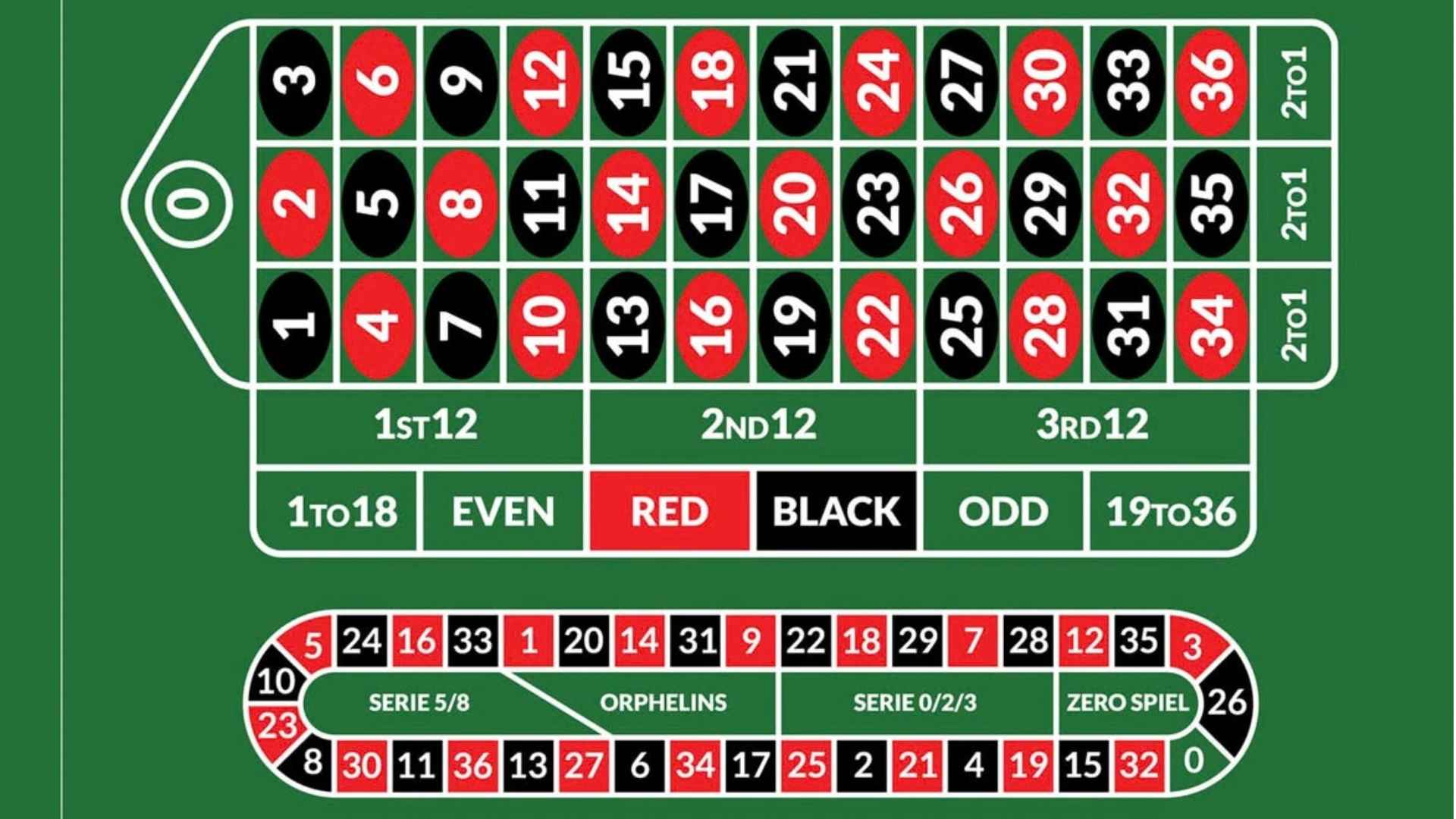
In modern digital entertainment, dynamic odds displays have transformed how participants interact with probability-based games. By calculating potential returns in real time, these digital interfaces replace static payout sheets with clear, responsive visual feedback. This technological shift enables players to assess risk and reward instantly, fostering a more transparent and informed gaming experience.
Real-Time Calculation and Transparency
Dynamic odds systems process data continuously to reflect current prize multipliers and probability adjustments. By updating figures instantly on the screen, platforms ensure players always possess accurate mathematical context before confirming their selections.
This immediate feedback reduces confusion and helps eliminate common misunderstandings about potential returns. Transparency in prize structure builds long-term confidence between users and digital platforms.
Improving Player Decision-Making
Interactive interfaces display complex statistical models in clean, easy-to-read formats. Instead of manually calculating combinations, users can instantly see how adding or removing selections impacts their overall payout ratio.
This clarity allows individuals to align their entries with their preferred risk tolerance. Having access to precise metrics encourages strategic engagement rather than visual guesswork.
Visual Cues and Cognitive Clarity
Modern gaming displays use color coding and fluid animations to highlight changing multipliers and shifting probability tiers. These visual elements help users quickly process numerical information without suffering from cognitive overload.
Streamlined layout designs keep critical financial metrics at the center of the visual space. By minimizing screen clutter, platforms ensure that essential data points remain visible during fast-paced sessions.
Supporting Responsible Participation
Access to dynamic odds data plays a key role in promoting structured session management. When players clearly observe the statistical likelihood of specific outcomes, they are less inclined to hold unrealistic expectations.
Clear exposure to potential yields allows users to make balanced choices within established personal limits. Objective data serves as an effective tool for maintaining discipline across all digital entertainment formats.