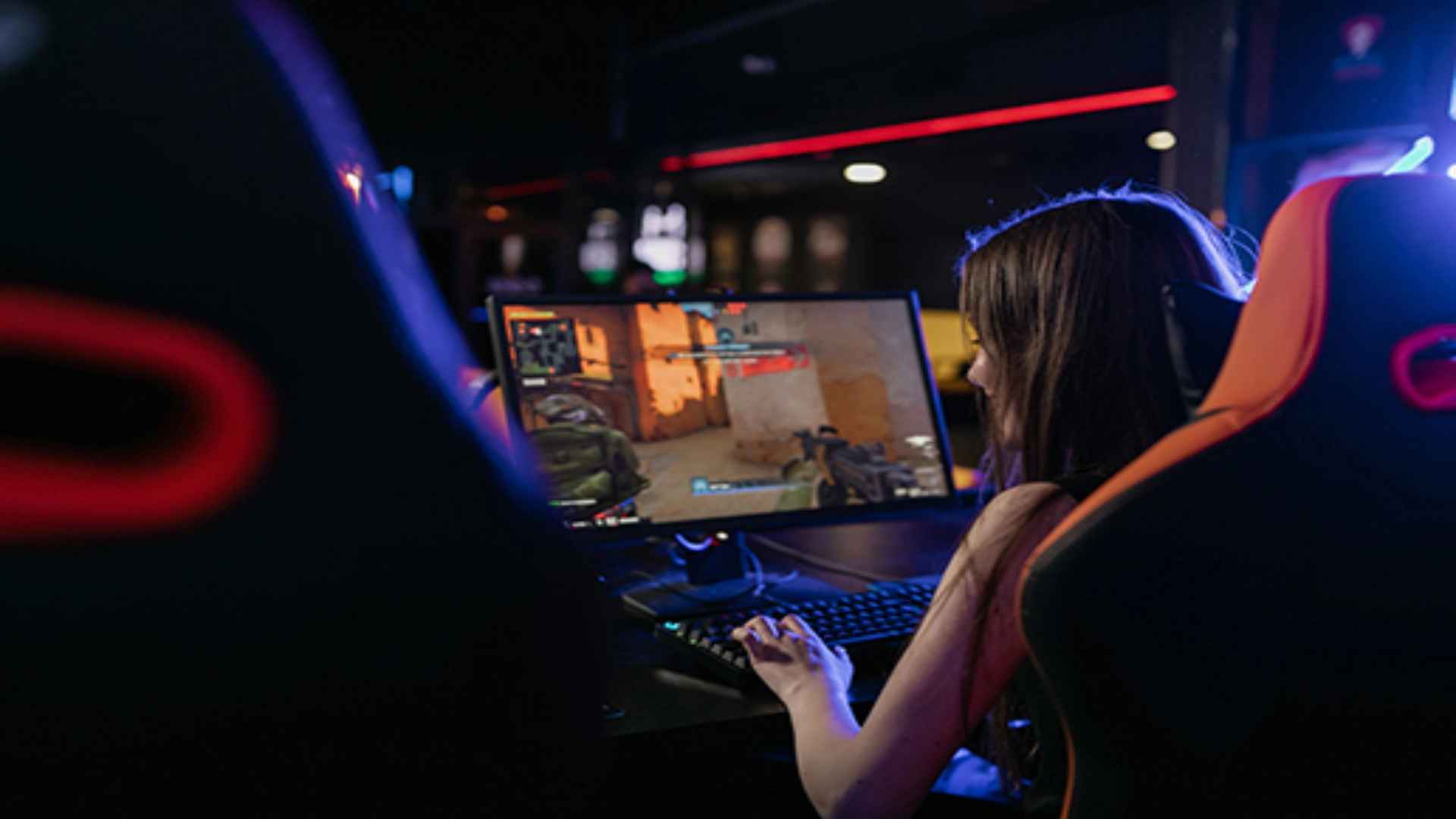
Sustaining a competitive edge in fast-paced multiplayer arenas requires more than localized mechanical skill or quick reflex responses. True ladder progression relies heavily on psychological balance and the cumulative confidence built from back-to-back victories. By understanding how performance psychology drives human execution, players can learn to generate sustainable progress without burning out.
The Psychology behind Winning Streaks
Psychological momentum plays a critical role in goal pursuit and long-term achievement across competitive environments. When individuals experience initial success, it triggers a positive reinforcement loop in the brain that enhances focus and reduces performance anxiety. This neurological shift allows players to make split-second decisions with absolute certainty during high-pressure match situations.
However, relying solely on short-term motivation frequently leads to volatile performance swings when facing difficult opposition. Elite competitors separate themselves by transforming temporary bursts of enthusiasm into stable operational habits. Establishing behavioral reliability ensures that your tactical execution remains high even during unexpected operational challenges.
Establishing Sustainable Daily Routines
Building real momentum naturally requires a deliberate shift away from sporadic practice sessions toward highly structured behavioral patterns. Engaging in targeted cognitive training exercises helps sharpen spatial perception and dynamic decision-making capabilities before entering ranked matchmaking. These small, consistent actions maintain a reliable performance baseline when your initial excitement begins to fade.
Furthermore, maintaining a healthy mental routine prevents the accumulation of emotional fatigue after experiencing a difficult competitive defeat. Recognizing that every individual match serves as a valuable learning opportunity allows players to evaluate errors without losing personal confidence. Sustainable growth is achieved through continuous incremental adjustments rather than looking for immediate drastic solutions.
Optimizing Team Interactions and Dynamics
Achieving consistent victories in complex multiplayer systems demands seamless coordination and clear professional communication among all active participants. When teammates share critical positional data naturally, it creates an environment where strategic adjustments can unfold fluidly in real time. Fostering mutual support across different roles bridges the gap between individual talent and collective battlefield dominance.
Additionally, adapting to the diverse playstyles of your partners mitigates friction during intense structural pushes or sudden defensive rotations. Reliable leaders prioritize group cohesion over isolated highlights, ensuring that everyone remains aligned toward securing main map objectives. This collaborative mindset shifts the focus from personal scoreboard metrics toward efficient, unified execution.
Navigating Obstacles with Tactical Discipline
Experiencing a disadvantageous position or a rough early phase can easily disrupt a team's psychological rhythm if left unchecked. True tactical mastery involves maintaining structural discipline and looking for minor opponent mistakes to punish efficiently. By focusing entirely on calculated resource management, competitive squads can systematically convert minor openings into decisive comebacks.
Ultimately, long-term ladder progression belongs to those who view performance plateaus as necessary developmental milestones rather than insurmountable roadblocks. Embracing strategic patience allows you to analyze shifting meta trends objectively while keeping your core mechanics sharp. Cultivating these mental strategies naturally propels genuine growth across every competitive session.